Zooskool Strayx The Record Part 1 8 Dogs In 1 Day Animal Zoo Beast Bestiality Farm Barn Fu Exclusive !!link!! Jun 2026
Edit, transform and enhance photos with text prompt
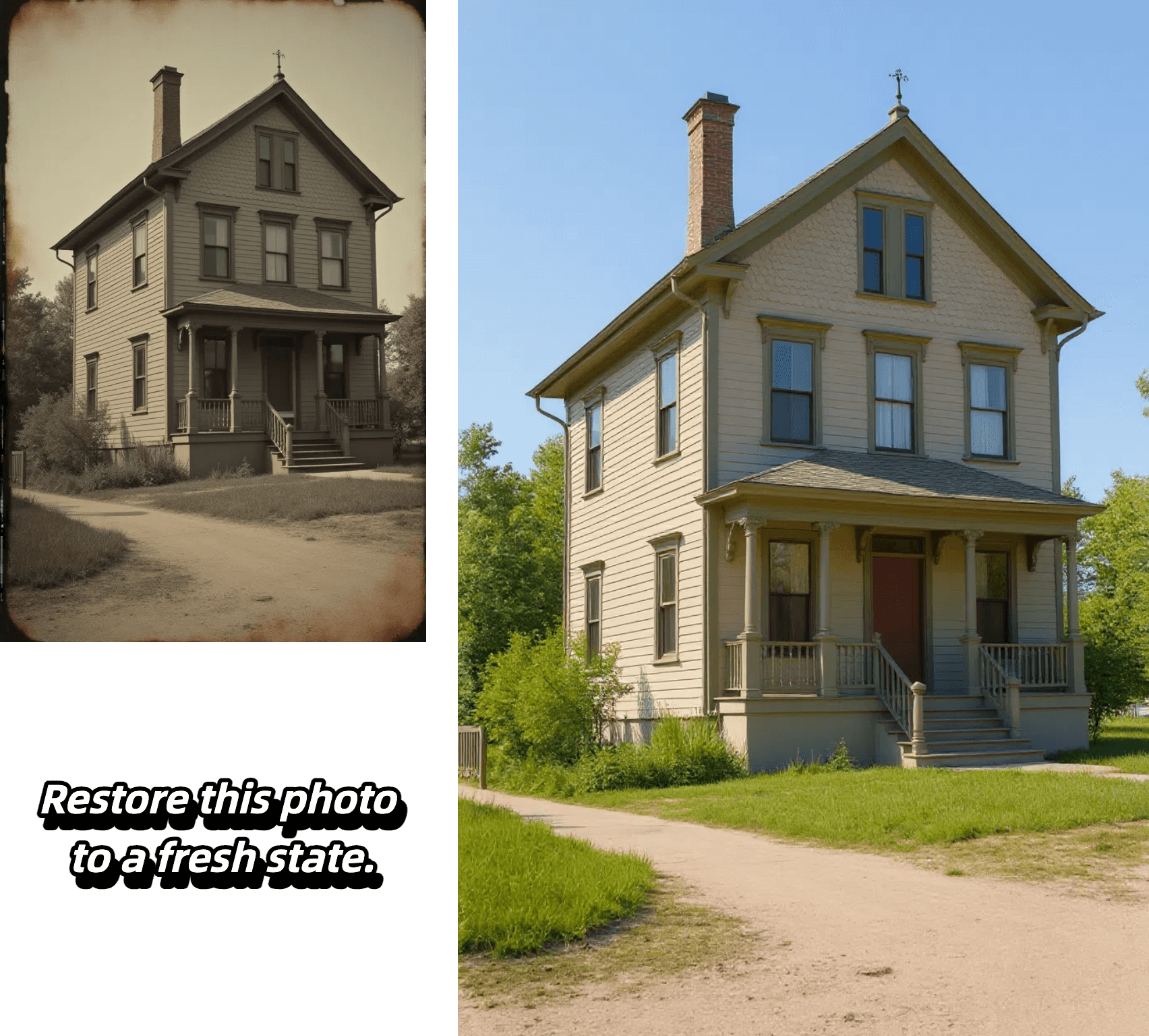
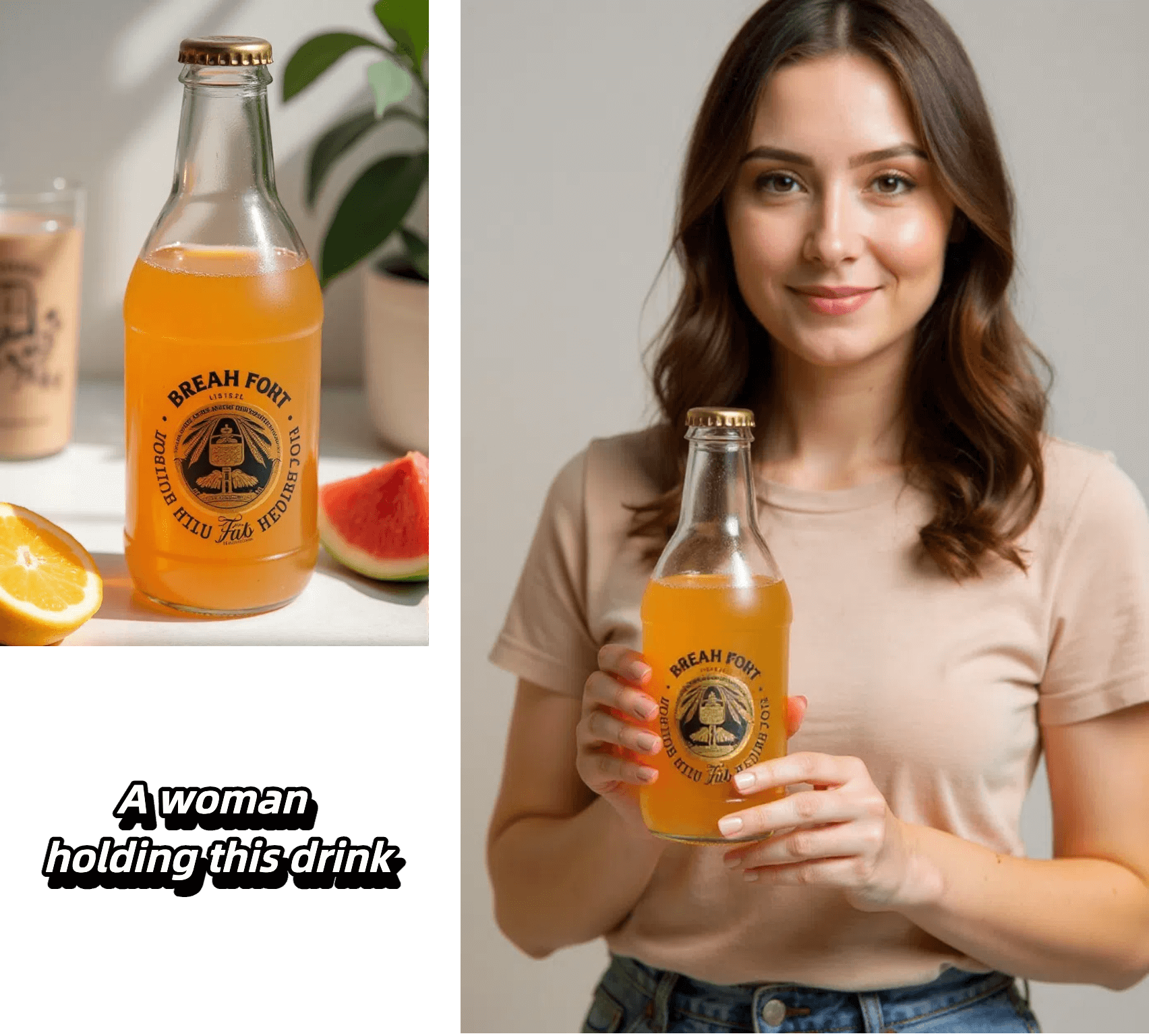
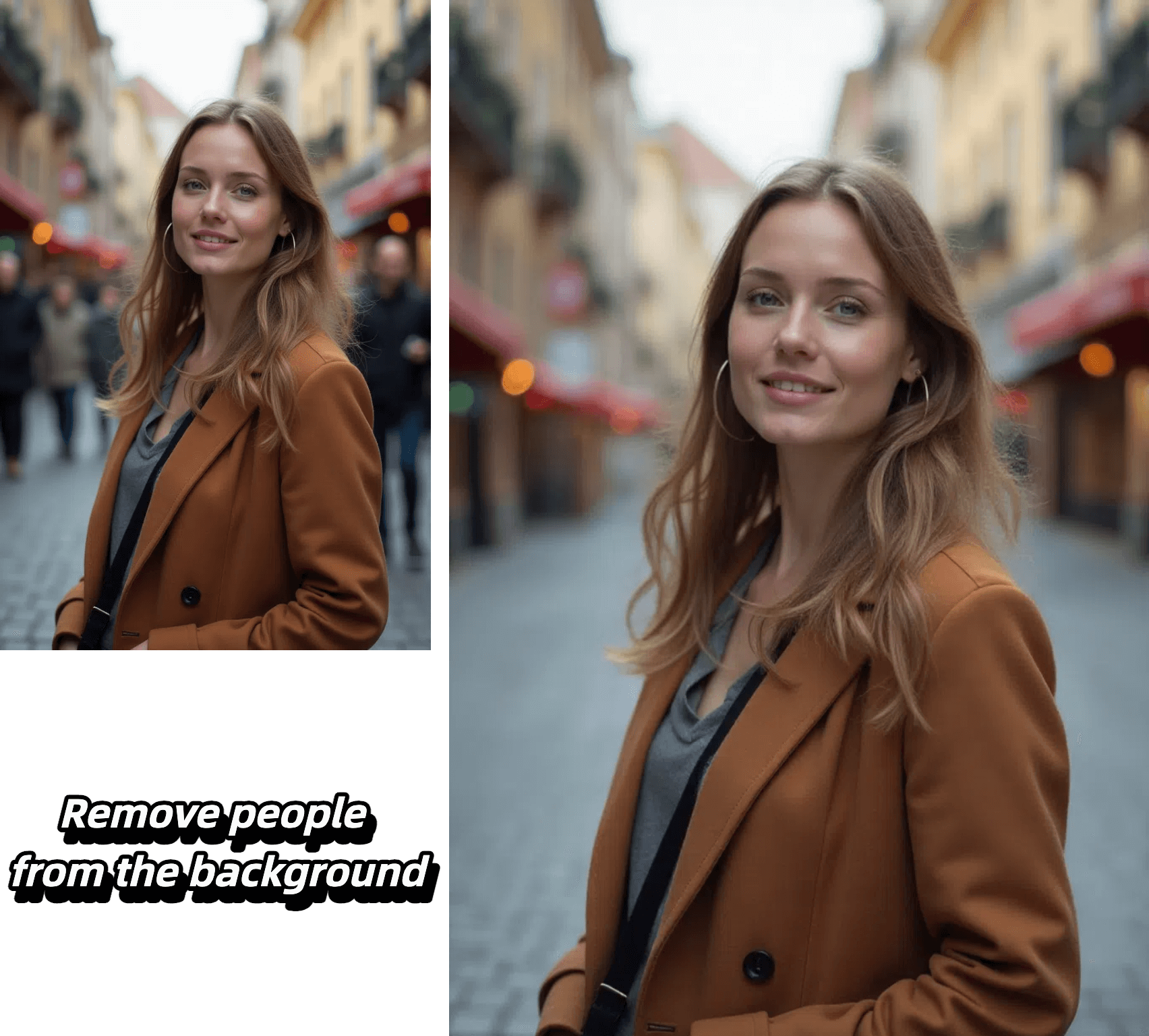
Edit, transform and enhance photos with text prompt

Alter poses, outfits, or backgrounds while our AI keeps your character's face, proportions, and style perfectly consistent from frame to frame.

Select any region—eyes, sky, or logo—and refine it with pixel-level accuracy. Our model isolates the area and applies exactly the adjustment you specify, leaving the rest untouched.

Insert crisp, naturally integrated text into photos in seconds—perfect for captions, call-outs, or branding—without tedious masking or layering.

Upload a reference image, choose a style, and let the AI recreate your photo with matching colors, textures, and mood while preserving key composition details.
Experience effortless image editing with our AI-powered process:
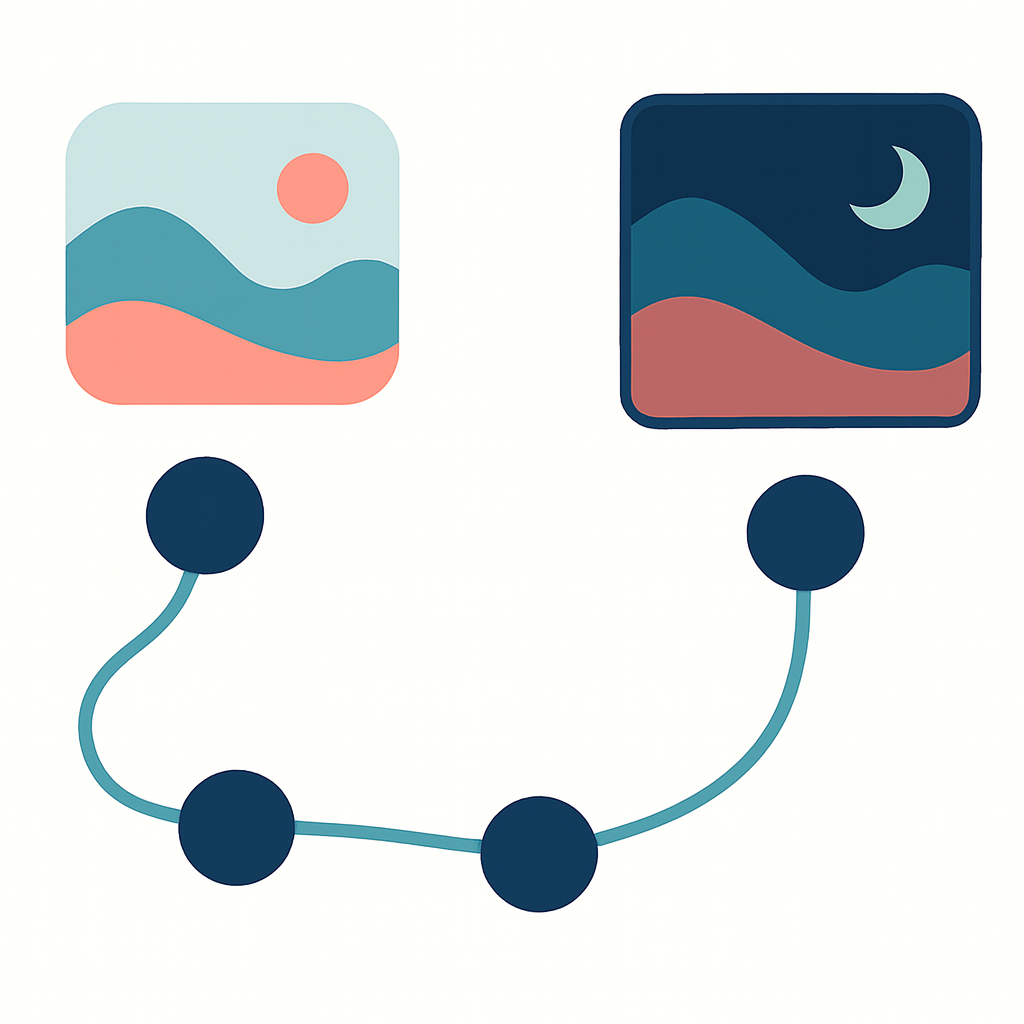
Select the AI model that best suits your editing needs. Each model is optimized for different types of transformations.
Start by uploading your image. We support JPEG, PNG, GIF, or WEBP formats up to 20MB and 4096 x 4096 pixels. For best results, use clear, high-quality images.
Tell our AI exactly what changes you want to make. Be specific about your desired edits - from changing backgrounds to adjusting styles and effects.
Generate multiple variations of your edited image, review the results, and select your favorite outputs. Download your transformed images in high quality.
In 2012, a group of leading neuroscientists signed the , stating that “humans are not unique in possessing the neurological substrates that generate consciousness.” When we accept that a dog feels joy and a rat feels dread, the "welfare versus rights" calculus changes. It becomes harder to justify practices that we would never allow a human to endure.
The day began early, as I stepped into the farm-like entrance of Zooskool Strayx. The air was crisp, filled with the sounds of birds chirping and the distant barks of dogs. My mission was clear: to spend quality time with 8 different dogs, learning about their breeds, behaviors, and what makes each one unique. In 2012, a group of leading neuroscientists signed
Providing an appropriate environment including shelter and a comfortable resting area. The air was crisp, filled with the sounds
History suggests we are. It just takes time. History suggests we are
What might a coherent ethic look like? Perhaps it starts with a single principle: Not convenience. Not tradition. Not profit. Necessity.
Providing sufficient space, proper facilities, and company of the animal’s own kind.
In 2012, a group of leading neuroscientists signed the , stating that “humans are not unique in possessing the neurological substrates that generate consciousness.” When we accept that a dog feels joy and a rat feels dread, the "welfare versus rights" calculus changes. It becomes harder to justify practices that we would never allow a human to endure.
The day began early, as I stepped into the farm-like entrance of Zooskool Strayx. The air was crisp, filled with the sounds of birds chirping and the distant barks of dogs. My mission was clear: to spend quality time with 8 different dogs, learning about their breeds, behaviors, and what makes each one unique.
Providing an appropriate environment including shelter and a comfortable resting area.
History suggests we are. It just takes time.
What might a coherent ethic look like? Perhaps it starts with a single principle: Not convenience. Not tradition. Not profit. Necessity.
Providing sufficient space, proper facilities, and company of the animal’s own kind.