








Marriage Story (2019) – The Blueprint of Dissolution and Reconfiguration
Noah Baumbach’s Marriage Story offers a painfully accurate look at the genesis of a modern blended family structure. The film doesn't stop at the signing of divorce papers; it focuses heavily on the grueling negotiation of custody schedules and geographic displacement.
Richard Linklater’s groundbreaking cinematic experiment Boyhood (2014) captures this with unparalleled authenticity. Filmed over 12 years, the movie allows the audience to watch the protagonist, Mason, navigate his mother’s subsequent marriages. Mason is forced to adapt to new stepfathers, new step-siblings, new homes, and new schools. Linklater captures the quiet, cumulative trauma of these transitions—not through explosive melodramas, but through the mundane discomfort of sharing a bedroom with a stranger or adjusting to a stepfather's authoritarian house rules.
The surge of blended families in cinema matters because representation matters. When audiences see screenplays that reflect their own non-linear lives—complete with Google Calendar custody schedules, awkward holiday dinners, and the slow building of trust between step-child and step-parent—it validates their lived experiences.
To understand how far we have come, we must first look at the shadow we are escaping. For nearly a century, the default narrative for blended families was rooted in folklore: the dead parent, the resentful stepparent, and the beleaguered child. Disney’s Cinderella (1950) set the blueprint—a world where the stepfamily is inherently tyrannical, and the solution is romantic rescue and escape.
This public link is valid for 7 days and shares a thread, including any personal information you added. This link or copies made by others cannot be deleted. If you share with third parties, their policies apply. Can’t copy the link right now. Try again later.
"Show me films where the stepparent is a better emotional match than the biological parent, but the child resists anyway."
Products
-
 Sticker Pack
$10.00
Sticker Pack
$10.00
-
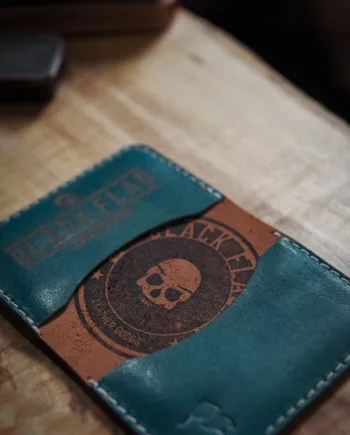 Minimalist Bifold Cardholder
$60.00
Minimalist Bifold Cardholder
$60.00
-
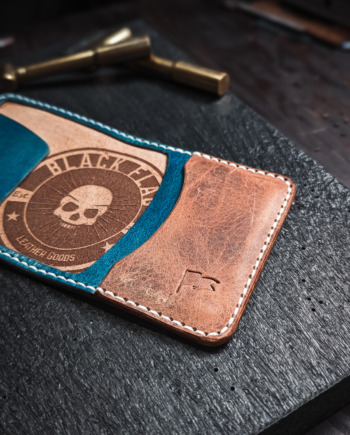 Slim Bifold Wallet
$100.00
Slim Bifold Wallet
$100.00


