

Babes.20.11.17.jewelz.blu.sweater.weather.xxx.1... |best|
She smiled. “Only if we don’t analyze it.”
In the past, media was defined by broad appeal. Now, thanks to algorithmic discovery on platforms like TikTok and Netflix, hyper-specific subcultures are going viral. Whether it’s the global obsession with K-Dramas or the massive growth of tabletop gaming, "popular" now means finding a massive community within a specific interest. 2. From Passive Viewing to Active Participation Modern entertainment is no longer a one-way street. Babes.20.11.17.Jewelz.Blu.Sweater.Weather.XXX.1...
Currently, artificial intelligence (AI) is driving the next wave of transformation. AI tools are restructuring production pipelines, from automated video editing and script analysis to synthetic voice acting and visual effects. For consumers, AI promises even deeper personalization, potentially generating custom content tailored to individual viewer preferences in real-time. She smiled
One of the most significant disruptions in popular media is the democratization of content creation. Historically, production required expensive equipment, distribution networks, and institutional backing. Today, anyone with a smartphone and an internet connection can reach a global audience. Whether it’s the global obsession with K-Dramas or
Not literally. But a core piece of entertainment infrastructure—the streaming service that hosted The Maze —went dark. A server farm in Virginia had a catastrophic failure. No one could watch, listen, or play. The River had run dry.
 Brianna Parker
 S.K. Gupta
 Kevin Johnson




Loved this!
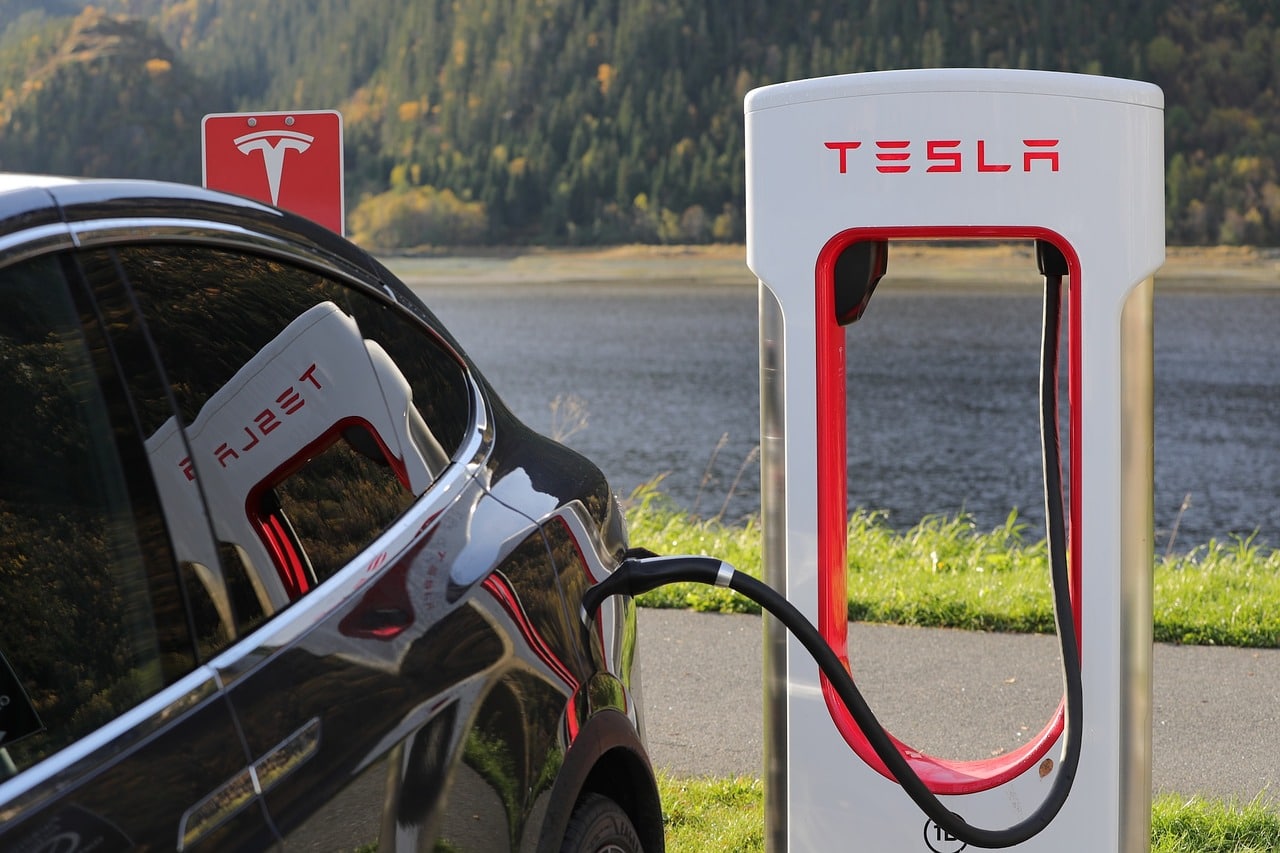
Tesla’s business model focuses on high-performance EVs, advanced technology, and solar energy. They target diverse customer segments, partner strategically, and emphasize innovation. Their revenue comes from vehicle sales, energy products, and services.