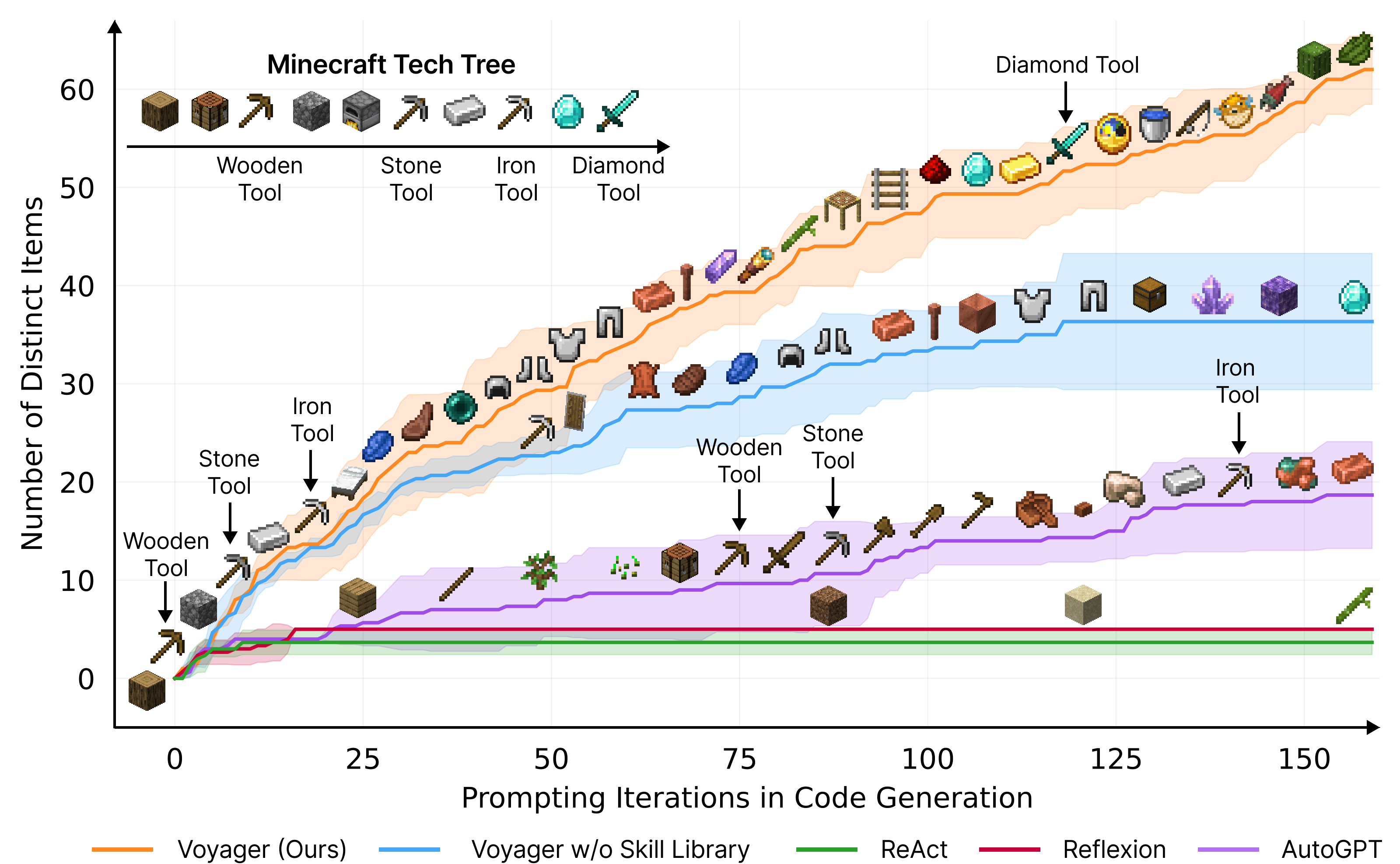
Voyager discovers new Minecraft items and skills continually by self-driven exploration, significantly outperforming the baselines.
We introduce Voyager, the first LLM-powered embodied lifelong learning agent in Minecraft that continuously explores the world, acquires diverse skills, and makes novel discoveries without human intervention. Voyager consists of three key components: 1) an automatic curriculum that maximizes exploration, 2) an ever-growing skill library of executable code for storing and retrieving complex behaviors, and 3) a new iterative prompting mechanism that incorporates environment feedback, execution errors, and self-verification for program improvement. Voyager interacts with GPT-4 via blackbox queries, which bypasses the need for model parameter fine-tuning. The skills developed by Voyager are temporally extended, interpretable, and compositional, which compounds the agent's abilities rapidly and alleviates catastrophic forgetting. Empirically, Voyager shows strong in-context lifelong learning capability and exhibits exceptional proficiency in playing Minecraft. It obtains 3.3x more unique items, travels 2.3x longer distances, and unlocks key tech tree milestones up to 15.3x faster than prior SOTA. Voyager is able to utilize the learned skill library in a new Minecraft world to solve novel tasks from scratch, while other techniques struggle to generalize.
Selain faktor ekonomi, penyebab utama lainnya adalah benturan budaya. Orang Madura yang dinilai agresif dalam bekerja dan mempertahankan haknya seringkali dianggap tidak menghormati adat istiadat setempat yang telah dijunjung tinggi oleh Suku Dayak. Hal ini menciptakan prasangka dan tembok pembatas yang sulit ditembus, sebuah bara api yang hanya menunggu percikan kecil untuk meledak.
pada tahun 2001 merupakan salah satu catatan paling kelam dalam sejarah kontemporer Indonesia [1]. Kerusuhan antarsuku yang pecah di Kalimantan Tengah ini melibatkan warga suku Dayak asli dan warga migran suku Madura [1]. Tragedi kemanusiaan ini merenggut ratusan korban jiwa dan memaksa puluhan ribu warga mengungsi [1].
. Naskah ini disusun secara informatif untuk mengenang sejarah kelam tanpa mendiskreditkan pihak mana pun, sesuai dengan nilai-nilai perdamaian yang diwakili oleh Tugu Perdamaian Sampit Naskah Video Dokumenter: Tragedi Sampit 2001
Menyaksikan materi dokumenter yang bermuatan kekerasan masa lalu memerlukan dan empati yang tinggi. Berikut adalah panduan etis dalam merespons video dokumenter Perang Sampit:
The video chronicles the eruption of violence between the indigenous Dayak people and Madurese transmigrants. It captures the atmosphere of a city under siege, moving beyond mere statistics to show the human cost of the tragedy. By using the "fixed" designation, the creator likely improved visual clarity or audio syncing, making the raw, archival footage even more visceral for a modern audience.
Selain faktor ekonomi, penyebab utama lainnya adalah benturan budaya. Orang Madura yang dinilai agresif dalam bekerja dan mempertahankan haknya seringkali dianggap tidak menghormati adat istiadat setempat yang telah dijunjung tinggi oleh Suku Dayak. Hal ini menciptakan prasangka dan tembok pembatas yang sulit ditembus, sebuah bara api yang hanya menunggu percikan kecil untuk meledak.
pada tahun 2001 merupakan salah satu catatan paling kelam dalam sejarah kontemporer Indonesia [1]. Kerusuhan antarsuku yang pecah di Kalimantan Tengah ini melibatkan warga suku Dayak asli dan warga migran suku Madura [1]. Tragedi kemanusiaan ini merenggut ratusan korban jiwa dan memaksa puluhan ribu warga mengungsi [1].
. Naskah ini disusun secara informatif untuk mengenang sejarah kelam tanpa mendiskreditkan pihak mana pun, sesuai dengan nilai-nilai perdamaian yang diwakili oleh Tugu Perdamaian Sampit Naskah Video Dokumenter: Tragedi Sampit 2001
Menyaksikan materi dokumenter yang bermuatan kekerasan masa lalu memerlukan dan empati yang tinggi. Berikut adalah panduan etis dalam merespons video dokumenter Perang Sampit:
The video chronicles the eruption of violence between the indigenous Dayak people and Madurese transmigrants. It captures the atmosphere of a city under siege, moving beyond mere statistics to show the human cost of the tragedy. By using the "fixed" designation, the creator likely improved visual clarity or audio syncing, making the raw, archival footage even more visceral for a modern audience.
In this work, we introduce Voyager, the first LLM-powered embodied lifelong learning agent, which leverages GPT-4 to explore the world continuously, develop increasingly sophisticated skills, and make new discoveries consistently without human intervention. Voyager exhibits superior performance in discovering novel items, unlocking the Minecraft tech tree, traversing diverse terrains, and applying its learned skill library to unseen tasks in a newly instantiated world. Voyager serves as a starting point to develop powerful generalist agents without tuning the model parameters.
"They Plugged GPT-4 Into Minecraft—and Unearthed New Potential for AI. The bot plays the video game by tapping the text generator to pick up new skills, suggesting that the tech behind ChatGPT could automate many workplace tasks." - Will Knight, WIRED
"The Voyager project shows, however, that by pairing GPT-4’s abilities with agent software that stores sequences that work and remembers what does not, developers can achieve stunning results." - John Koetsier, Forbes
"Voyager, the GTP-4 bot that plays Minecraft autonomously and better than anyone else" - Ruetir
"This AI used GPT-4 to become an expert Minecraft player" - Devin Coldewey, TechCrunch
Coverage Index:
[Atmarkit]
[Career Engine]
[Crast.net]
[Daily Top Feeds]
[Entrepreneur en Espanol]
[Finance Jxyuging]
[Forbes]
[Forbes Argentina]
[Gaming Deputy]
[Gearrice]
[Haberik]
[Head Topics]
[InfoQ]
[ITmedia News]
[Mark Tech Post]
[Medium]
[MSN]
[Note]
[Noticias de Hoy]
[Ruetir]
[Stock HK]
[Tech Tribune France]
[TechCrunch]
[TechBeezer]
[Toutiao]
[US Times Post]
[VN Explorer]
[WIRED]
[Zaker]
 Guanzhi Wang
 Yuqi Xie
 Yunfan Jiang*
 Ajay Mandlekar*
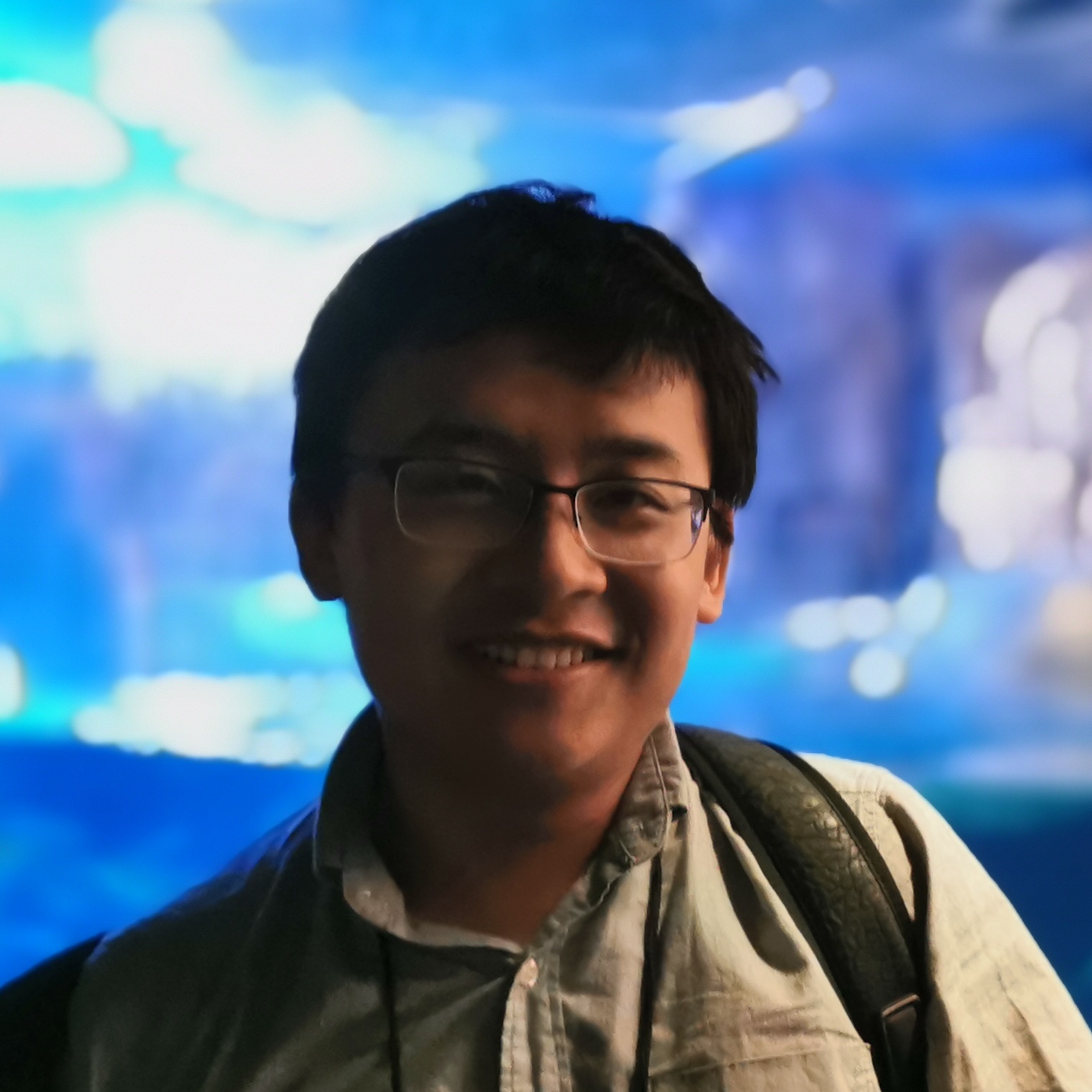 Chaowei Xiao
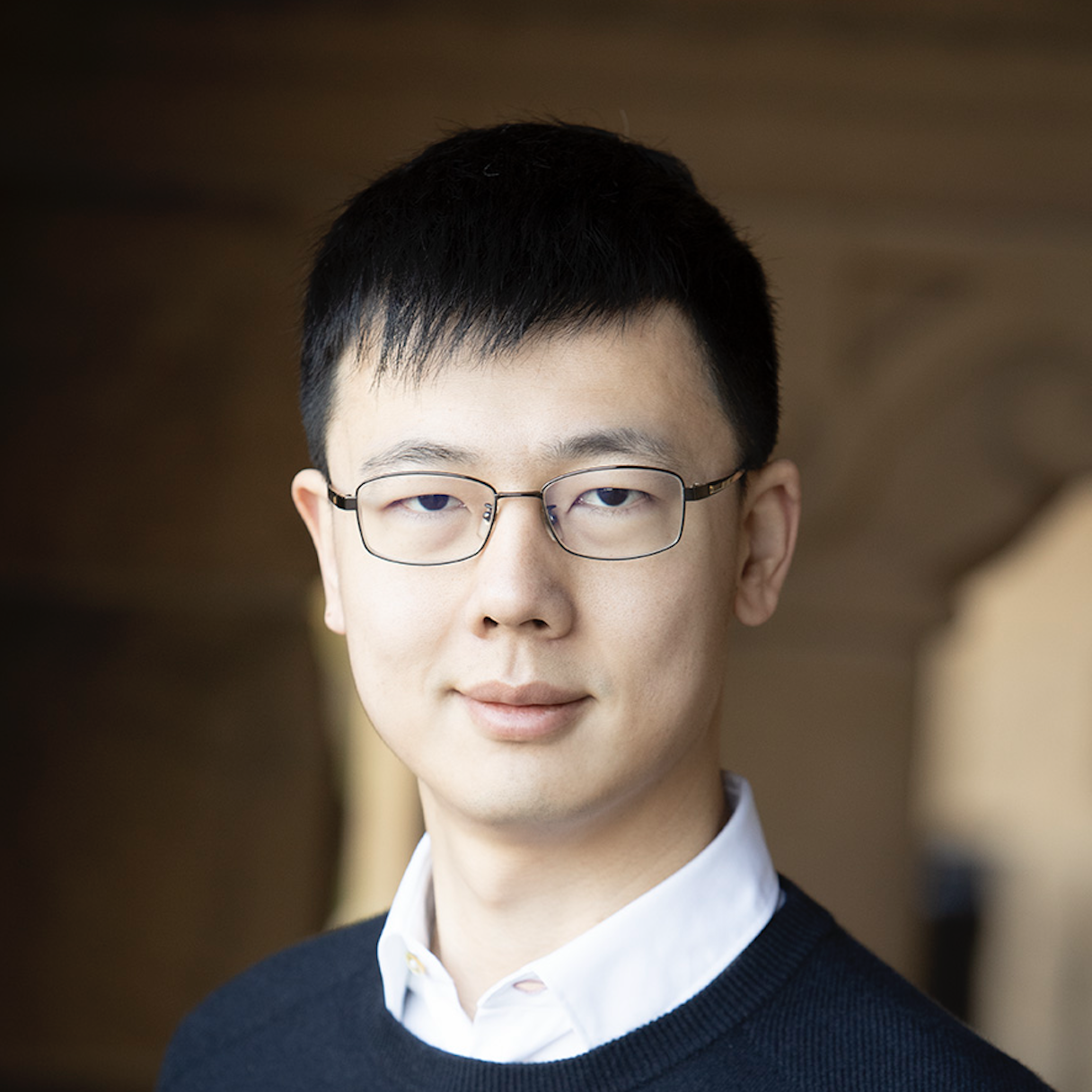 Yuke Zhu
 Linxi "Jim" Fan†
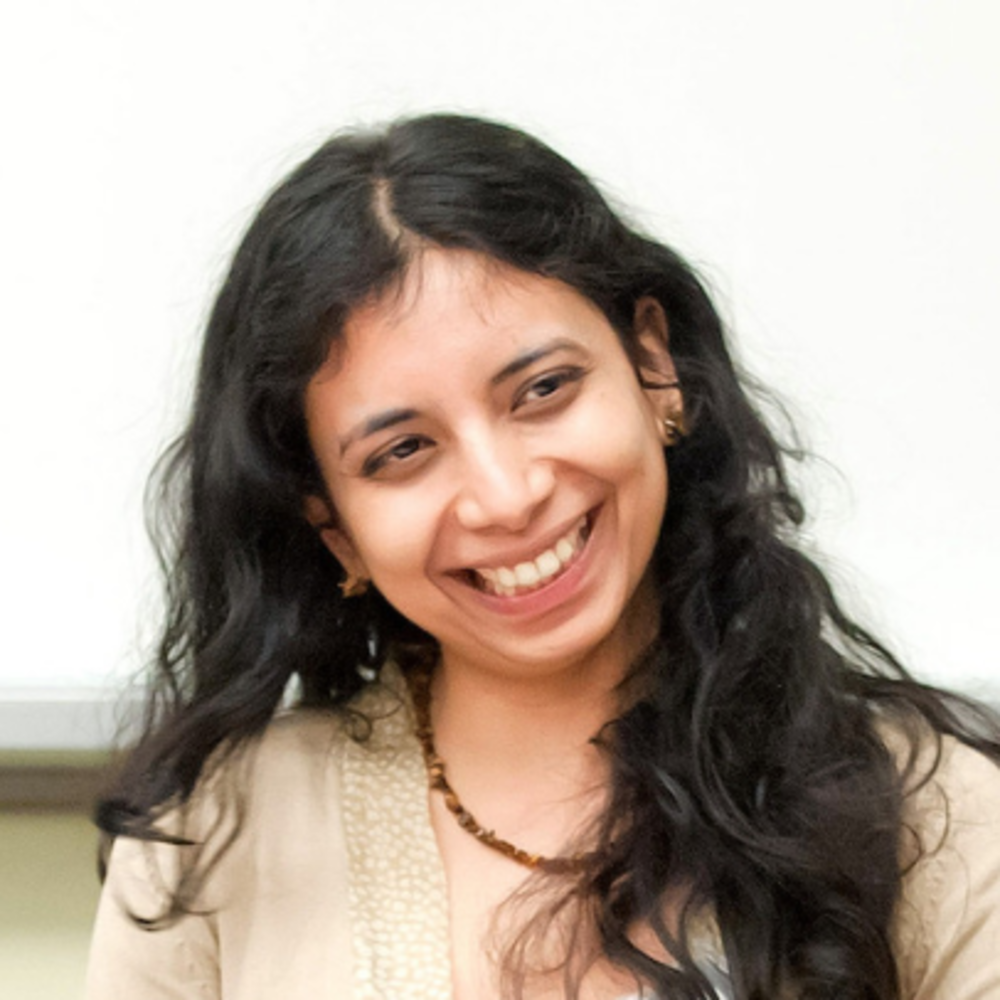 Anima Anandkumar†
@article{wang2023voyager,
  title   = {Voyager: An Open-Ended Embodied Agent with Large Language Models},
  author  = {Guanzhi Wang and Yuqi Xie and Yunfan Jiang and Ajay Mandlekar and Chaowei Xiao and Yuke Zhu and Linxi Fan and Anima Anandkumar},
  year    = {2023},
  journal = {arXiv preprint arXiv: Arxiv-2305.16291}
}