


John J. Macionis was born and raised in Philadelphia, Pennsylvania. He began studying engineering at Cornell University before majoring in sociology and earning a bachelor’s degree. John received a doctorate in sociology from the University of Pennsylvania.
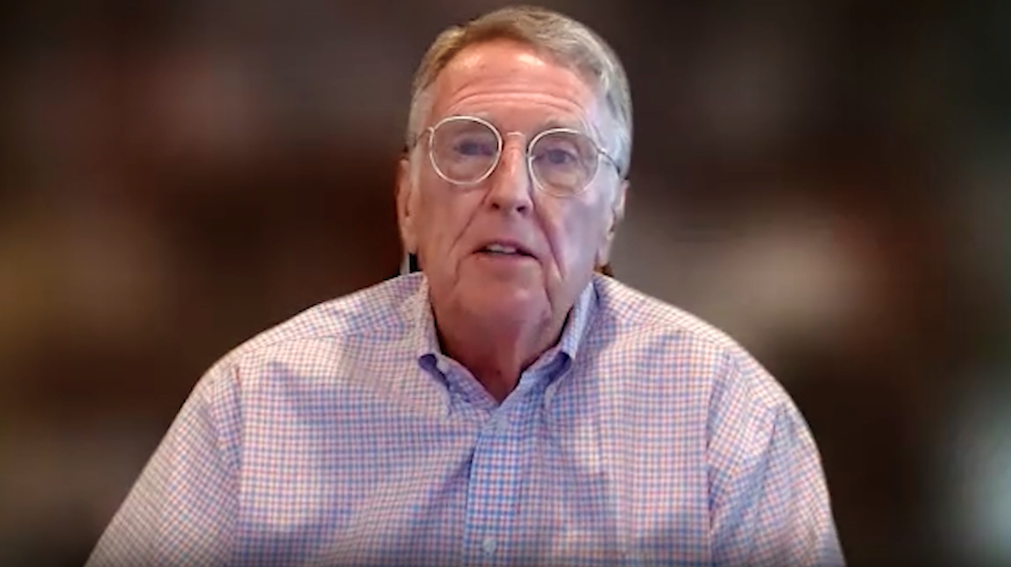

With years of experience across schools, community colleges, and universities, my primary goal has always been to offer the best-in-class material to my colleagues and students. In a rapidly changing world, it’s crucial that textbooks evolve as well. I believe that timely updates to book editions are essential to ensure relevance and accuracy, reflecting new knowledge.
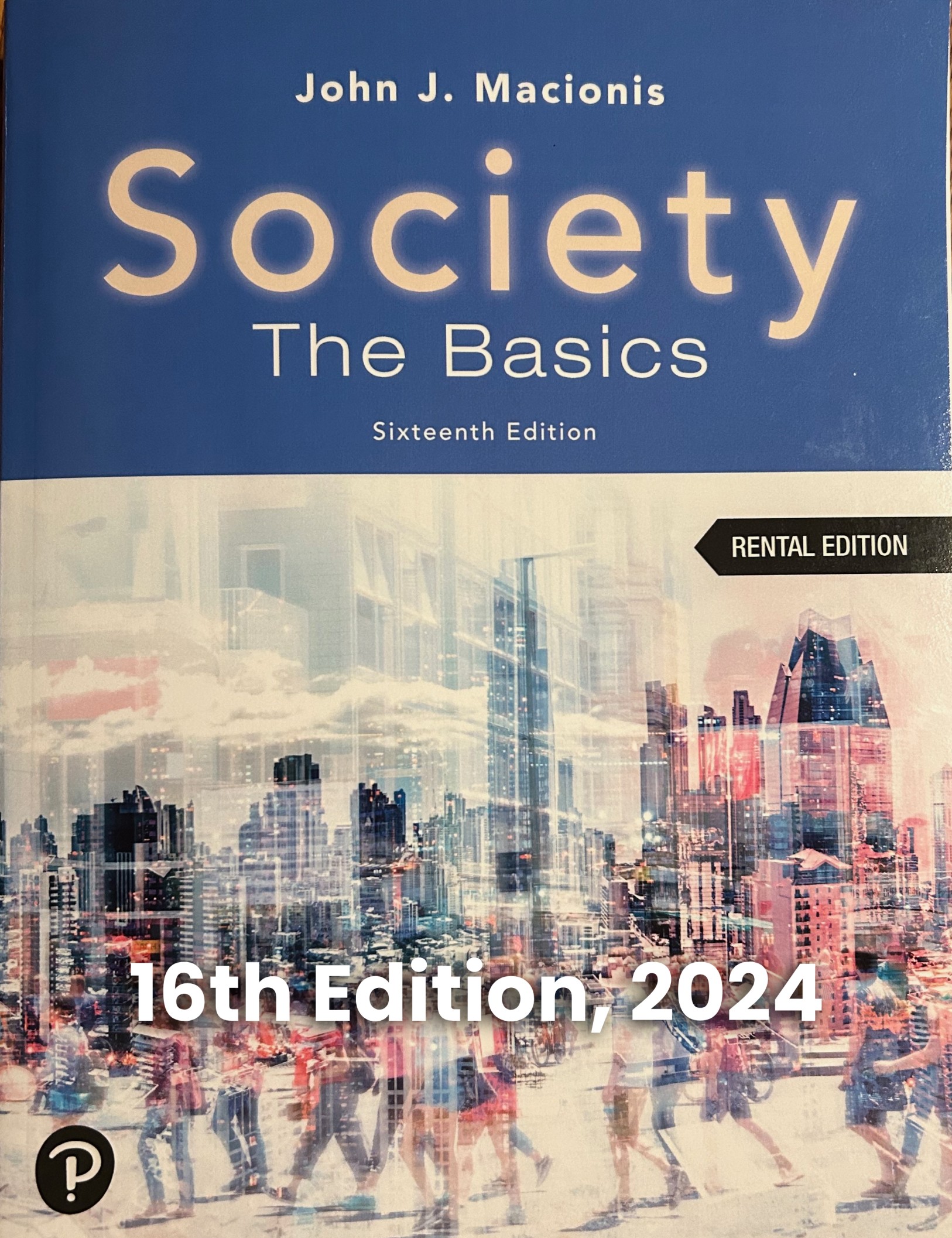
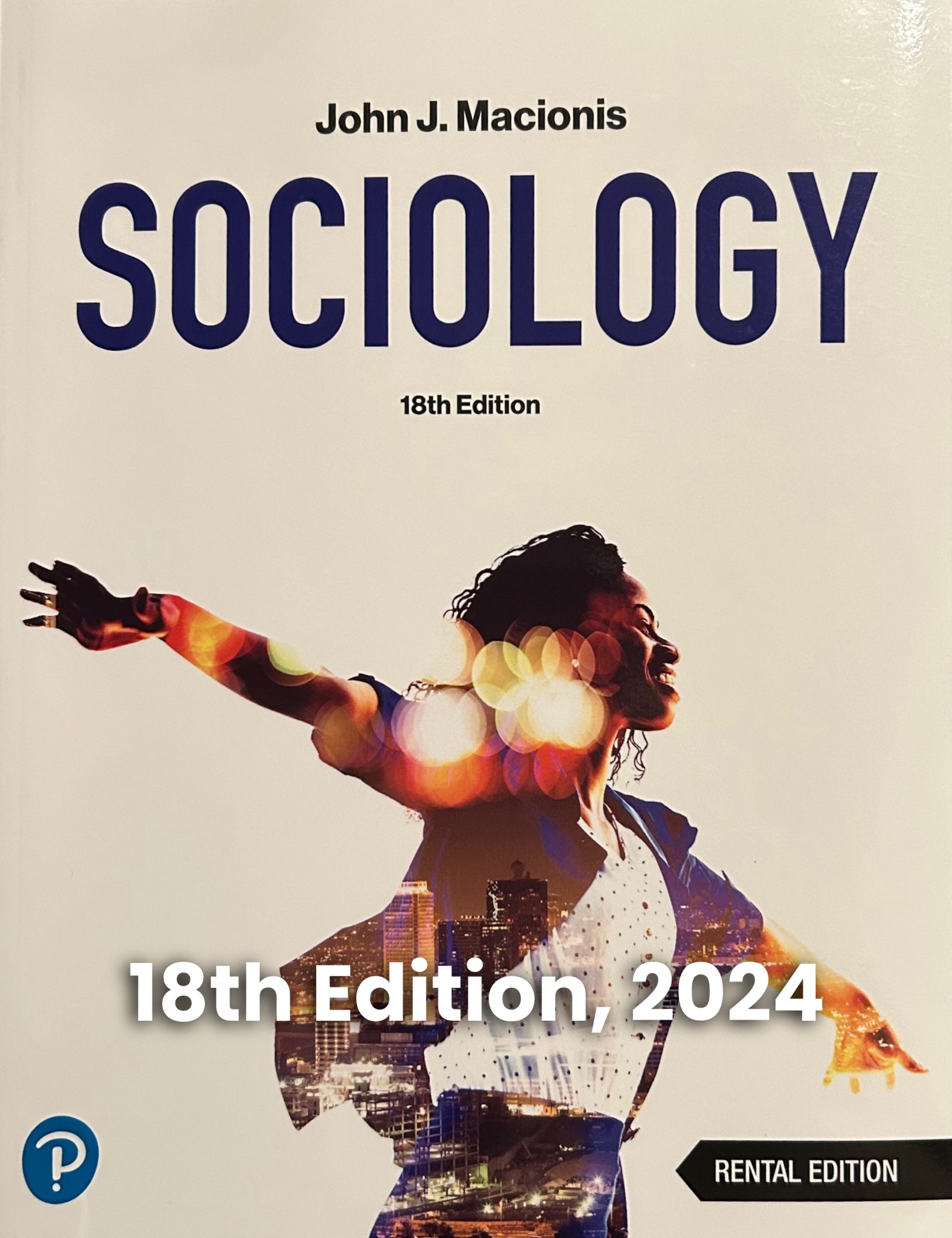

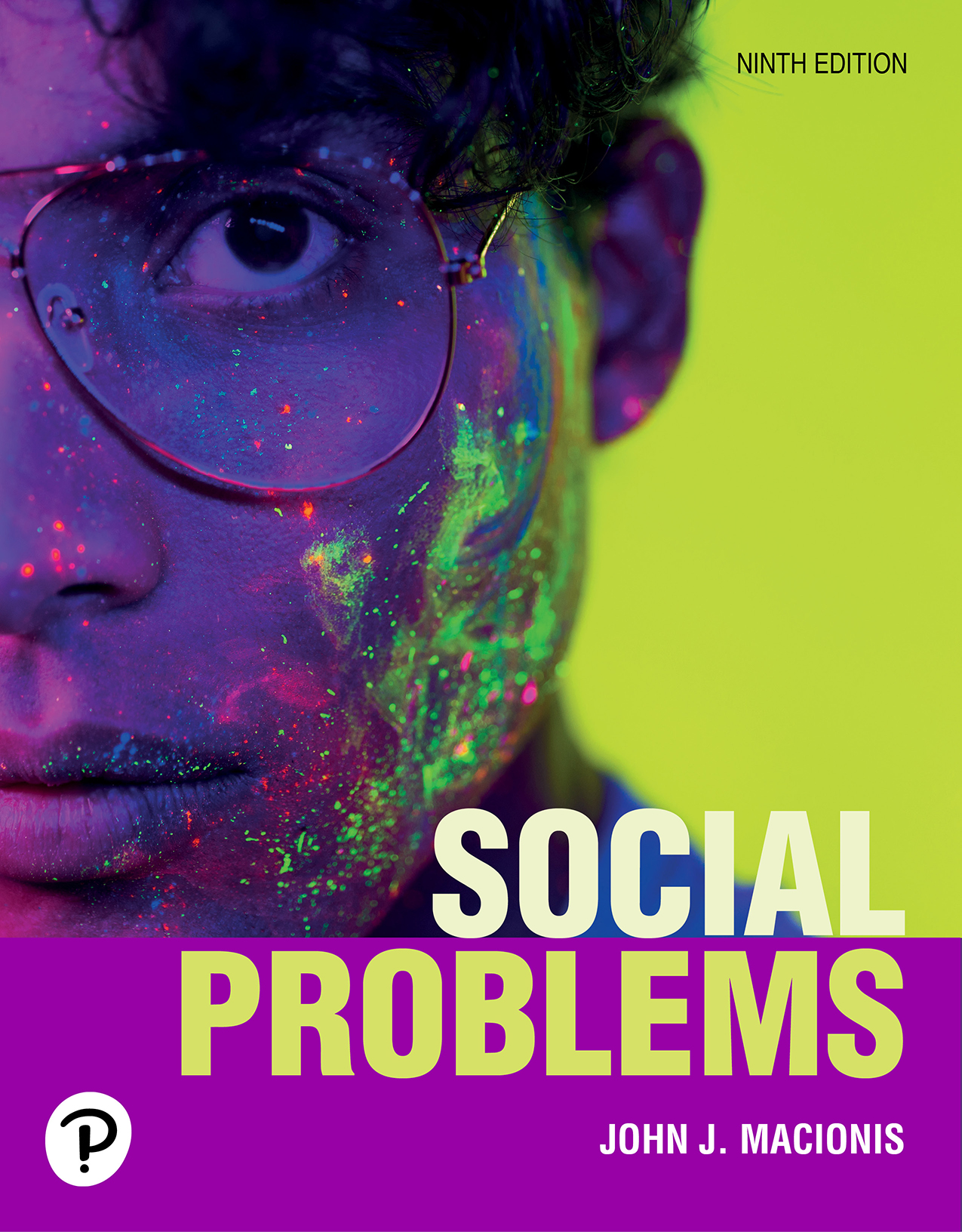


Historically, traditional media relied on gatekeepers like major movie studios, television networks, and print publishers. These entities controlled both content creation and distribution channels.
Entertainment media plays a dual role: it provides relaxation and happiness while simultaneously constructing public opinion and societal norms.
: The "subscription-only" era is largely over. Most major platforms now utilize a mix of SVOD (subscription), AVOD (ad-supported), and FAST (free ad-supported TV) tiers.
The most provocative element of the keyword is the abbreviation "uncen...," referring to "uncensored" content. To appreciate this, one must understand the legal and cultural context of adult video production in Japan.
Consumers face rising costs as media companies fracture into exclusive streaming services, leading to a resurgence in digital piracy.
Subscription Video on Demand (SVOD) and audio streaming platforms have replaced traditional cable television and physical music formats. Consumers no longer wait for a specific broadcast time; they expect entire libraries of content to be available at their fingertips. This shift has normalized "binge-watching" and altered how narrative arcs are structured by writers and producers. The Death of Distance
: Reread your draft to ensure your arguments are logical and your rating is justified. Distribution & Platforms
Historically, traditional media relied on gatekeepers like major movie studios, television networks, and print publishers. These entities controlled both content creation and distribution channels.
Entertainment media plays a dual role: it provides relaxation and happiness while simultaneously constructing public opinion and societal norms. Layarxxi.pw.Asada.Himari.playing.JAV.PORN.uncen...
: The "subscription-only" era is largely over. Most major platforms now utilize a mix of SVOD (subscription), AVOD (ad-supported), and FAST (free ad-supported TV) tiers. : The "subscription-only" era is largely over
The most provocative element of the keyword is the abbreviation "uncen...," referring to "uncensored" content. To appreciate this, one must understand the legal and cultural context of adult video production in Japan. To appreciate this, one must understand the legal
Consumers face rising costs as media companies fracture into exclusive streaming services, leading to a resurgence in digital piracy.
Subscription Video on Demand (SVOD) and audio streaming platforms have replaced traditional cable television and physical music formats. Consumers no longer wait for a specific broadcast time; they expect entire libraries of content to be available at their fingertips. This shift has normalized "binge-watching" and altered how narrative arcs are structured by writers and producers. The Death of Distance
: Reread your draft to ensure your arguments are logical and your rating is justified. Distribution & Platforms

Here is a forty minute video lecture that examines income inequality beginning with my own Kenyon campus and then investigates broader patterns of inequality in diverse work settings, including education, medicine, and the world of finance. The presentation also contrasts public perceptions to the reality of wealth inequality.