
Kuzu V0 136 Full Extra Quality
Download the app for free today


Download the app for free today







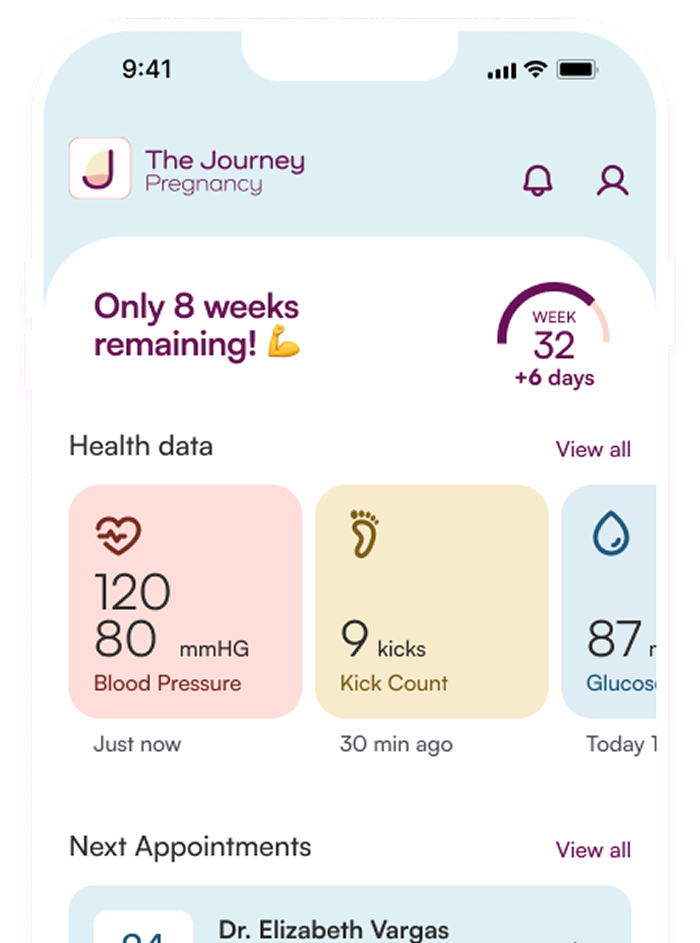
The Journey Pregnancy is a software app that enables patients to track vital signs in pregnancy and transmits this information to providers in real time.
Benefits include: increasing patients' engagement in their own care, increasing communication between patients and providers, and providing notifications when health trends are out of range.
With weekly check‑ins, a personal virtual doula available to you 24/7, blood pressure alerts, and health tracking in the app, you can follow your maternal health all the way through postpartum recovery

Download The Journey Pregnancy. In just a few minutes per day, log your health information to track your pregnancy from your positive pregnancy test through your postpartum recovery.
The easiest method is via PyPI. Ensure you have Python 3.8 to 3.11 installed:
example to integrate these features into an existing application?
If you have been struggling with earlier Kuzu betas or are new to graph databases, downloading is the definitive starting point. Ensure your environment meets the requirements, leverage the recursive query features, and enjoy the speed of a truly optimized embedded graph database.
We would like to thank the community members who contributed to this release:
As of October 2025, the original KuzuDB repository on GitHub was archived by its owner, with a note stating that "Kuzu is working on something new". The community was surprised, as the technology was growing in popularity and showed great promise.
Unlike older graph systems that store nodes and edges as scattered, semi-structured JSON-like blobs, Kùzu organizes data into strict tables.
Get The Journey Pregnancy app for free from the Apple App Store and Google Play Store and start sharing your Journey today
Get the appOur woman‑led team has been through pregnancies, we’re here for you, and we support you as you nurture and bring forward the next generation.

Are you a health care provider? Find out more about our provider software: www.emaginest.com
Courtney Williams, Co‑founder and CEO of Emagine Solutions Technology
During my high risk pregnancy, I got preeclampsia the week after giving birth to my son. kuzu v0 136 full
The experience was scary and for a while, I didn’t know whether I would be ok. Luckily, I got the care I needed in time. The easiest method is via PyPI
In the aftermath, though, I didn’t know if I was getting better, because I didn’t have a way to document my health and communicate that information to my care team. Ensure your environment meets the requirements, leverage the
We developed The Journey Pregnancy so that all pregnant moms can have visibility into their health trends throughout pregnancy and postpartum, so they can document questions for their provider, understand their blood pressure trends, have access to research‑backed information 24/7, and ultimately feel safer during pregnancy and postpartum recovery.
We’ve been there, and we’re here for you during your maternal health journey.

Learn more at emaginest.com
“The app has eased my anxiety in between doctor appointments that my baby is healthy and active.”
“We all know the problem and the statistics, now we have an innovation that has the potential to be a solution to decreasing morbidity and mortality in maternity care.”
“It helped me track my blood pressure and not be as worried about preeclampsia. Especially at the end when I was experiencing a lot of swelling.”
The easiest method is via PyPI. Ensure you have Python 3.8 to 3.11 installed:
example to integrate these features into an existing application?
If you have been struggling with earlier Kuzu betas or are new to graph databases, downloading is the definitive starting point. Ensure your environment meets the requirements, leverage the recursive query features, and enjoy the speed of a truly optimized embedded graph database.
We would like to thank the community members who contributed to this release:
As of October 2025, the original KuzuDB repository on GitHub was archived by its owner, with a note stating that "Kuzu is working on something new". The community was surprised, as the technology was growing in popularity and showed great promise.
Unlike older graph systems that store nodes and edges as scattered, semi-structured JSON-like blobs, Kùzu organizes data into strict tables.
The Pregnancy Health app that is your
companion for a safe pregnancy